You have no items in your shopping basket.
Mon - Fri 9AM - 5PM
024 7610 0090


On 9 December 2025, the world observes International Anti-Corruption Day, led by the United Nations Office on Drugs and Crime (UNODC) to highlight the global impact of corruption and the collective responsibility to eliminate it. The 2025 campaign reinforces a clear message: integrity is not optional, it is the foundation of trust, accountability, and good governance. For regulated sectors across the UK, including health and social care, education, public services, procurement, and the charitable sector, Anti-Corruption Day 2025 underscores the need for transparent systems, ethical leadership, and robust reporting mechanisms. In this blog, Anna Nova Galeon explores how organisations can strengthen anti-corruption culture through risk management, conflict-of-interest controls, whistleblowing pathways, and digital governance tools like ComplyPlus™, ensuring compliance is not just declared but demonstrated.
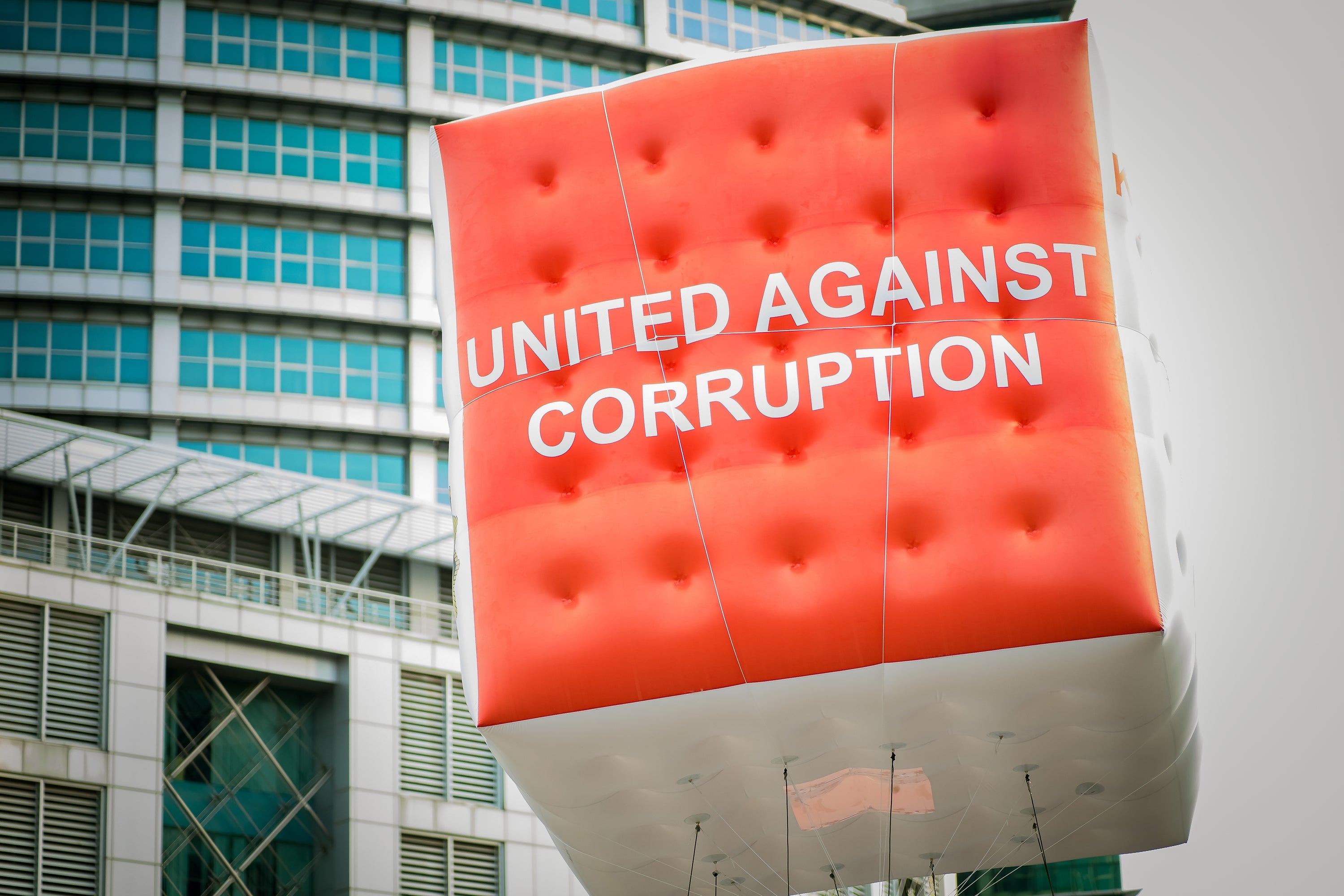
Each year on 9 December, the world pauses to observe International Anti-Corruption Day, an initiative originally adopted by the United Nations (UN) in connection with the United Nations Convention against Corruption (UNCAC).
For 2025, the spotlight is on the future, with the theme “Uniting with Youth Against Corruption: Shaping Tomorrow’s Integrity”. This theme underscores the growing recognition that young people are vital stakeholders in building fairer, more transparent societies.
For organisations operating in highly regulated sectors, such as health and social care, education, justice, housing, and local authorities, this theme has powerful implications. Integrity, transparency, and ethical leadership cannot be left to institutions alone: they must be echoed throughout the workforce, embraced by individuals at every level, and supported by robust governance systems.
In this blog, Anna Nova Galeon will unpack what corruption means in practice; why youth, and staff more broadly, matter to anti-corruption efforts; and how regulated organisations can take concrete steps today to build a culture of integrity that lasts.
At its core, corruption is defined as the abuse of entrusted power for private gain. While many associate corruption with overt acts of bribery, embezzlement, or under-the-table deals, in regulated organisations, corruption often appears in more subtle but equally damaging forms:
Undeclared or unmanaged conflicts of interest - For example, awarding contracts to suppliers linked to decision-makers, or favouring particular individuals in recruitment or promotions
Unfair or opaque procurement and commissioning practices, lacking transparency or proper documentation
Misuse of resources or public funds, including misallocation of assets, supplies or budgets
Manipulation, falsification, or suppression of records - From financial ledgers to incident reports, staffing logs, or care documentation
Lack of clarity in decision-making processes, with no defined governance or audit trails
A culture that discourages speaking up - When staff believe that no one is listening, or that raising concerns is risky or pointless.
In regulated sectors, where services affect people’s health, safety, education, and wellbeing, such behaviours not only undermine trust and compliance but can also lead to harm, institutional failure, and regulatory breaches.
The 2025 theme, “Uniting with Youth Against Corruption: Shaping Tomorrow’s Integrity”, is not about blaming young people for current failures. Rather, it’s a call to action: to harness youth’s energy, ideals, innovation, and moral clarity in building systems and cultures that resist corruption.
Here’s why this theme is especially relevant for regulated organisations:
Regulated organisations are only as strong as the people within them, from frontline caregivers and social workers to procurement officers, administrators, and leaders. By empowering individuals (particularly newer, younger, and early-career staff) to recognise risk, speak up, and act ethically, organisations create multiple “guardians” of integrity.
Procurement rules, policies and governance frameworks are essential, but they are only effective if the people using them believe in them. Engaging staff, especially youth and early-career professionals, fosters a long-term culture where transparency and fairness are the norm.
Younger staff often have fresh perspectives, are digitally savvy, and may be more willing to question “how things have always been done”. Their involvement can invigorate compliance processes, drive digital transformation, and spot vulnerabilities others may overlook.
Today’s junior personnel become tomorrow’s leaders. Instilling a strong sense of ethics, fairness, and accountability early helps ensure future leadership is rooted in integrity, not just regulatory compliance.
Corruption rarely begins with systemic breakdown. It often starts quietly, through patterns of small compromises. Common vulnerabilities in regulated services include:
Opaque procurement and contracting - Bypassing competitive processes, failing to document supplier selection, or favouring preferred vendors without objective criteria.
Manipulated documentation or suppressed reporting - Altering staffing records, misreporting incidents, hiding near-misses, or failing to log concerns.
Conflicted recruitment or promotion decisions - Selecting or advancing individuals based on relationships rather than merit or documented process.
Lack of separation of duties and oversight - The same person authorises, executes, and audits a transaction.
Cultural normalisation of questionable practices - “This is how we’ve always done it”, or “no one will notice”, or “just get it done”.
Barriers to speaking up - Fear, lack of confidentiality, lack of confidence in follow-up, or belief that reporting won’t lead to change.
These hidden behaviours are often precursors to bigger failures, regulatory breaches, financial loss, reputational damage, or even harm to service users.
By adopting this year’s IACD theme, organisations can proactively encourage staff to see themselves as integrity guardians, not just rule-followers.
Here are practical, strategic steps organisations in regulated sectors can take, with a focus on people, empowerment, and systemic integrity.
Clearly articulated Codes of Conduct, conflicts-of-interest policies, procurement standards, anti-fraud/anti-bribery rules, whistleblowing and speaking-up procedures, and reporting pathways
Make policies easy to find, understand, and reference, not hidden in complicated manuals or shared drives
Review and revisit policies regularly, at least annually, to reflect evolving risks and contexts.
Empowerment requires competence. Training should:
Educate staff on what corruption looks like, including subtle, non-financial forms such as conflicts of interest, procurement irregularities, or documentation lapses
Explain how to identify, report, and escalate concerns
Clarify individual roles and responsibilities under regulatory frameworks (e.g., safeguarding, procurement rules, financial management standards)
Use real-world scenarios and case studies from regulated sectors, so staff recognise relevance to their daily work
Be ongoing and reinforced, not a one-off tick-box exercise.
By building knowledge and confidence, organisations reinforce the notion that every staff member is a stakeholder in integrity.
Governance integrity relies heavily on visibility, objectivity, and documentation. Key practices include:
Competitive, evidence-based procurement and commissioning
Clear selection criteria and documentation of evaluation, decision-making, and approval
Separation of duties (e.g., one team requests, another approves, a third reviews/audits)
Digital systems or workflows that record all steps and store audit trails
Regular, independent audits and periodic compliance reviews.
Transparent processes not only deter corruption, but they also make organisations more resilient, compliant, and inspection-ready.
A culture of integrity depends on people feeling safe to speak up. Important elements:
Confidential and, where possible, anonymous reporting channels
A clearly communicated commitment from leadership that concerns will be taken seriously and addressed fairly
Fair, timely investigations and feedback, even when reports turn out to have no clear outcome, staff should know their voice was heard
A non-retaliation policy and protection for whistleblowers
Visible action and organisational learning, repeating patterns must lead to change, not cover-up.
When staff trust reporting systems, small issues get flagged earlier, before they escalate into serious failures.
Modern regulated organisations are under increasing pressure to move from paper-based, manual processes to digital workflows. Digital systems help by:
Creating audit-ready documentation at all stages
Maintaining version control of policies and procedures
Tracking training, compliance, and competencies across the workforce
Monitoring incidents, risks, and non-conformities in real time
Providing evidence and visibility for regulators, auditors, and inspection bodies.
Digital governance, when combined with a culture of integrity, dramatically reduces opportunities for corruption, while increasing transparency and accountability.
The 2025 theme, “Uniting with Youth Against Corruption: Shaping Tomorrow’s Integrity”, calls on everyone to take responsibility: not just institutions, not just senior leaders, but every staff member, especially newer and younger employees.
Here’s what you can do right now:
Use IACD 2025 as a trigger to review your governance and compliance framework
Raise awareness among your workforce about what corruption can look like, especially the subtle, hidden forms
Commit to regular training and ethical leadership development for all staff levels
Review your procurement and decision-making processes. Ask: “Could this be perceived as unfair or opaque?”
Ensure there are safe, trusted channels for reporting concerns, and that reports are taken seriously
Move toward digital systems that provide data integrity, visibility, and audit readiness
Ultimately, building a culture of integrity is not a one-off project; it’s ongoing, evolving, and maintained by people who believe in fairness, transparency, and accountability.
Corruption undermines not only finances, but also service quality, public trust, safety, and the very purpose of regulated services. In health and social care, it can lead to compromised safeguarding, poor outcomes, under-resourced services, or inequitable resource allocation. In education, procurement, or housing, it can erode fairness and disadvantage vulnerable people.
Unchecked corruption increases regulatory and legal risk, invites reputational damage, and endangers inspection outcomes. For organisations with public obligations, even small lapses, skewed procurement, undocumented decisions, and unchecked conflicts of interest can open the door to serious consequences.
On the other hand, a robust anti-corruption framework enhances:
Regulatory compliance and inspection readiness
Financial efficiency and resource stewardship
Workforce morale, fairness, and staff retention
Public trust and organisational reputation
Resilience against fraud, abuse, and systemic failure.
A culture of integrity, rooted in empowered people, is a competitive advantage, a safeguard, and a moral imperative.
In honour of International Anti-Corruption Day 2025, and inspired by this year’s theme of uniting with youth to shape tomorrow’s integrity, now is the ideal time to ask:
Are your governance structures strong, transparent, and accessible?
Do your staff at every level feel empowered to spot and speak up about suspicious practices?
Are your procurement, documentation, and decision-making processes clear, objective, and audit-ready?
Do you have real-time oversight of compliance, risk, training, and incidents?
If the answer is “there’s room for improvement”, then The Mandatory Training Group and ComplyPlus™ are designed precisely to help organisations like yours build a lasting culture of integrity.
With ComplyPlus™, you can:
Embed governance, compliance, and transparency into everyday workflows
Maintain digital audit trails and evidence portfolios
Track staff training, competence, and CPD compliance
Manage procurement, decision-making, and risk oversight more transparently
Provide inspection-ready documentation that demonstrates integrity in action.
ComplyPlus™ can support your journey toward ethical, transparent, and resilient service delivery and help you turn the spirit of International Anti-Corruption Day 2025 into a long-term organisational reality.
Let’s unite, empower our people, and shape tomorrow’s integrity, starting today.


Complete the form below to start your ComplyPlusTM trial and
transform your regulatory compliance solutions.



← Older Post Newer Post →
0 comments